NDIS Innovative Community Participation Ideas 2026
Camila
Healthcare Expert
Want More Community Participation?
Explore innovative providers and creative activity options
Takes 30 seconds. Free, no obligation.
Innovative community participation goes beyond traditional day programs and group outings, embracing creative, technology-enabled, and adventure-based activities that build genuine community connections, skills, and confidence. NDIS Increased Social and Community Participation funding supports diverse, meaningful ways to engage with your community.
This guide explores innovative community participation ideas, how to access funding, examples of creative programs, and tips for designing your own unique community participation supports.
What is Community Participation under NDIS?
Community participation means engaging in social, recreational, and community activities that:
- Build social connections and relationships
- Develop skills and confidence
- Increase independence
- Foster community inclusion
- Support personal interests and goals
Funded under: Core Supports: Social and Community Participation
Examples include:
- Sports and recreation programs
- Creative arts (music, theater, visual arts)
- Volunteer work
- Education and learning (non-accredited)
- Cultural and religious activities
- Adventure and outdoor programs
- Technology and gaming communities
- Social groups and clubs
Why Innovative Matters
Traditional community participation often means:
- Segregated day programs
- Disability-only group outings
- Passive activities (watching TV, going for drives)
- Limited choice and control
- Same activities repeatedly
Innovative community participation emphasizes:
- Meaningful activities aligned with personal interests
- Mainstream inclusion (activities with people without disability)
- Skill building (not just supervision)
- Choice and control (you design your activities)
- Genuine community connection (building relationships, not just attending)
- Challenge and growth (stepping outside comfort zones)
Research shows innovative community participation:
- Improves mental health and wellbeing
- Builds self-esteem and confidence
- Reduces social isolation
- Develops transferable skills
- Creates pathways to employment and volunteering
- Enhances quality of life
Innovative Community Participation Ideas
1. Adventure and Outdoor Activities
What it includes:
- Rock climbing and abseiling
- Kayaking, canoeing, stand-up paddleboarding
- Surfing and adaptive water sports
- Bushwalking and hiking
- Mountain biking (including adaptive bikes)
- Horse riding and equine therapy
- Camping and outdoor skills
- Scuba diving (with adaptive certification)
Why it works:
- Builds confidence and resilience
- Challenges comfort zones in safe environment
- Develops physical skills and fitness
- Creates sense of achievement
- Often group-based (social connections)
- Natural settings reduce anxiety for some
How NDIS funds it:
- Support workers trained in activity (higher rates for specialized skills)
- Adaptive equipment (climbing harnesses, tandem kayaks, etc.)
- Program fees for disability-specific adventure programs
- Transport to activity locations
- Initial skill-building and training
Example: Jamie, 28, cerebral palsy, uses wheelchair
- Goal: Build confidence and social connections
- Activity: Weekly adaptive kayaking program
- NDIS funds: Support worker ($68/hour x 3 hours = $204/week), adaptive kayak rental ($50/session), transport ($30 round trip)
- Annual cost: ~$14,000
- Outcome: Made friends in kayaking group, increased upper body strength, joined mainstream kayaking club after 6 months
Providers to search:
- Disabled Surfers Association
- Accessible Adventure Australia
- State-based outdoor recreation organizations
- Adaptive sports clubs
2. Creative Arts and Performance
What it includes:
- Theater and drama groups
- Music lessons and bands
- Dance and movement (contemporary, hip-hop, wheelchair dance)
- Visual arts (painting, sculpture, digital art)
- Film and video production
- Photography
- Creative writing workshops
- Pottery and ceramics
Why it works:
- Self-expression and creativity
- Builds confidence through performance
- Social connections with like-minded people
- Development of artistic skills
- Showcasing abilities (not disability)
- Accessible to diverse abilities
How NDIS funds it:
- Group programs (art classes, drama workshops)
- Individual lessons (music, dance)
- Support workers to access mainstream classes
- Art supplies and materials
- Adaptive equipment (modified instruments, accessible art tools)
- Performance opportunities and showcases
Example: Liam, 19, autism, loves music
- Goal: Develop musical skills and social connections
- Activities: Weekly band practice with disability arts organization, fortnightly guitar lessons (mainstream), monthly open mic performances
- NDIS funds: Band program ($85/week), guitar lessons with support worker ($150/fortnight), open mic support ($70/month)
- Annual cost: ~$8,500
- Outcome: Improved social skills, developed musical talent, performed at local venues, considering music therapy as career
Providers to search:
- Arts Access Australia
- State-based disability arts organizations (e.g., Arts Access Victoria, Accessible Arts NSW)
- Community music schools
- Mainstream art studios and classes
3. Technology and Gaming
What it includes:
- Online gaming communities (collaborative, not solo)
- Esports teams and competitions
- Digital content creation (YouTube, podcasts, streaming)
- Coding and programming clubs
- Robotics and maker spaces
- Virtual reality experiences
- Online learning communities
- Social media content creation (advocacy, education)
Why it works:
- Accessible from home (reduces transport barriers)
- Connects people globally
- Reduces social anxiety for some
- Builds digital literacy skills
- Career pathways (gaming, content creation, tech)
- Flexibility in participation
How NDIS funds it:
- Technology and software (gaming PCs, adaptive controllers, VR headsets)
- Internet costs (if disability-related need)
- Support workers to facilitate online participation
- Online program fees (esports coaching, content creation courses)
- Adaptive gaming equipment (one-handed controllers, eye-gaze technology)
Example: Sophie, 22, muscular dystrophy, limited mobility
- Goal: Reduce isolation, build community, develop skills
- Activities: Weekly esports team practice, fortnightly YouTube content creation (disability advocacy), online photography course
- NDIS funds: Gaming setup with adaptive controls ($3,500 one-off), monthly support worker for filming and editing ($400/month), course fees ($500/year)
- Annual cost: ~$9,000 (first year including equipment)
- Outcome: 10,000 YouTube subscribers, online friendships globally, developing media career
Providers to search:
- The Accessible Gaming Advocacy Network
- Ability Gaming (adaptive esports)
- Local maker spaces and tech hubs
- Online learning platforms (with support worker assistance)
4. Volunteer Work and Community Contribution
What it includes:
- Animal shelters and rescue organizations
- Environmental conservation (tree planting, beach cleanups)
- Community gardens
- Peer support and mentoring
- Hospital or aged care visiting programs
- Op shop and charity volunteering
- Event volunteering (festivals, fundraisers)
- Disability advocacy and committees
Why it works:
- Sense of purpose and contribution
- Builds skills and work experience
- Genuine community integration
- Reciprocal relationships (giving, not just receiving)
- Pathway to employment
- Social connections through shared values
How NDIS funds it:
- Support workers to assist in volunteer role
- Transport to volunteer placements
- Training and onboarding support
- Equipment for volunteer activities
NDIS does NOT fund:
- The volunteer work itself (you’re volunteering, not being paid)
- Mainstream volunteer inductions (organization’s responsibility)
Example: Marcus, 30, intellectual disability
- Goal: Contribute to community, develop work skills, prepare for employment
- Activities: Volunteering at local animal shelter (3 mornings/week), beach cleanup group (monthly)
- NDIS funds: Support worker assistance at shelter ($75/session x 3/week = $225/week), transport and support for beach cleanups ($100/month)
- Annual cost: ~$13,000
- Outcome: Developed animal care skills, offered casual paid work at shelter after 12 months, built confidence and work readiness
How to find opportunities:
- Seek Volunteer (volunteer matching service)
- Local councils (environmental programs, community events)
- Animal welfare organizations
- Disability advocacy organizations (peer support roles)
5. Food and Hospitality Experiences
What it includes:
- Cooking classes and workshops
- Farmers markets and food tours
- Barista training and coffee culture
- Restaurant dining experiences (skill-building focus)
- Food trucks and pop-up dining
- Community kitchens and meal preparation programs
- Cultural food experiences (exploring diverse cuisines)
Why it works:
- Develops practical life skills
- Social settings (sharing meals)
- Sensory experiences (taste, smell, texture)
- Cultural learning
- Potential career pathway (hospitality)
- Confidence in community settings
How NDIS funds it:
- Cooking classes and programs
- Support workers to assist in activities
- Equipment for cooking (if disability-specific)
- Transport to food experiences
Not funded:
- The food itself (personal expense)
- Entertainment dining (must have skill-building focus)
Example: Emma, 25, autism, loves cooking
- Goal: Develop cooking skills, reduce social anxiety, explore potential career in hospitality
- Activities: Weekly cooking class at community kitchen, monthly food tours with support worker, barista training course (8 weeks)
- NDIS funds: Cooking class ($95/week), food tour support ($120/month), barista course with support ($1,200)
- Annual cost: ~$8,000
- Outcome: Improved cooking skills, reduced anxiety in social settings, completed barista certificate, now volunteering at cafe
6. Cultural and Spiritual Connection
What it includes:
- Cultural festivals and celebrations
- Language classes (connecting to heritage)
- Religious or spiritual community participation
- Indigenous cultural programs
- Art and storytelling from cultural background
- Community cultural centers and events
- Cultural dance or music groups
Why it works:
- Identity and belonging
- Intergenerational connections
- Cultural pride
- Community acceptance and inclusion
- Spiritual wellbeing
- Family involvement
How NDIS funds it:
- Support workers to assist in cultural activities
- Transport to cultural events and venues
- Program fees for cultural groups
- Equipment for cultural practices (if disability-related modifications needed)
Example: Yuki, 35, intellectual disability, Japanese heritage
- Goal: Connect with Japanese culture and community
- Activities: Fortnightly Japanese language class, monthly Japanese cultural events (festivals, tea ceremonies), weekly taiko drumming group
- NDIS funds: Support worker for language class and events ($150/fortnight + $200/month), taiko drumming program ($120/week)
- Annual cost: ~$10,000
- Outcome: Improved language skills, strong connections in Japanese community, performing taiko at cultural festivals
7. Education and Skill Development (Non-Accredited)
What it includes:
- Adult learning centers (art, languages, computer skills)
- Online courses (Coursera, Udemy, etc.)
- Workshops and short courses
- Skill-based hobbies (woodworking, sewing, mechanics)
- Public speaking and communication training
- Financial literacy programs
- Self-advocacy and leadership training
Why it works:
- Lifelong learning
- Skill development
- Confidence building
- Social connections through shared learning
- No formal assessment pressure
- Explore interests and career possibilities
How NDIS funds it:
- Support workers to assist in learning
- Course fees (if not accredited)
- Materials and equipment (if disability-related)
- Transport to courses
NDIS does NOT fund:
- Accredited education (university, TAFE) - education system responsibility
- Employment training (DES responsibility)
Example: Nathan, 40, acquired brain injury
- Goal: Rebuild skills and confidence post-injury, explore new interests
- Activities: Woodworking course (8 weeks), online photography course, public library technology workshops
- NDIS funds: Support worker for woodworking ($300/week for 8 weeks), online course support ($150/month)
- Annual cost: ~$4,200
- Outcome: Developed new hobbies, rebuilt confidence, social connections through woodworking class
8. Fitness and Wellness
What it includes:
- Gym memberships and personal training (with disability focus)
- Yoga and mindfulness classes
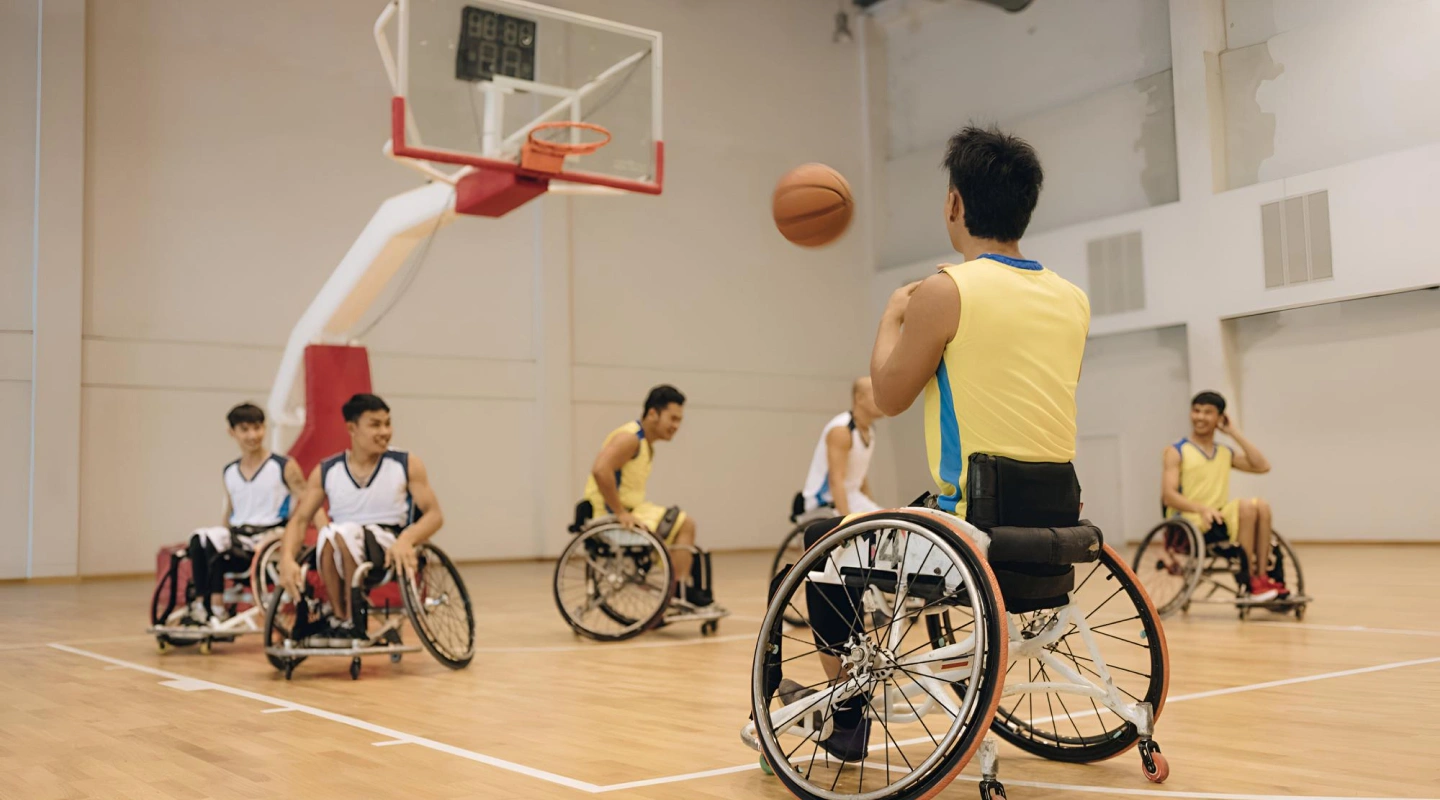
- Team sports (basketball, soccer, cricket, etc.)
- Swimming and hydrotherapy
- Martial arts (adapted)
- Dance fitness (Zumba, etc.)
- Running and athletics clubs
- Group fitness classes
Why it works:
- Physical and mental health benefits
- Social connections through sport
- Teamwork and collaboration
- Sense of achievement
- Mainstream inclusion opportunities
- Confidence and body positivity
How NDIS funds it:
- Support workers to assist in activities
- Adaptive equipment (sports wheelchairs, prosthetics for sport)
- Program fees for disability-specific sports programs
- Transport to activities
NOT funded (unless disability-related):
- Standard gym memberships (unless you need support worker assistance)
- General personal training (must be disability-specific focus)
Example: Jake, 27, vision impairment
- Goal: Improve fitness, join mainstream community, reduce isolation
- Activities: Weekly goalball (disability sport), 3x week gym with support worker, monthly parkrun events
- NDIS funds: Goalball program ($80/week), gym support worker ($90 x 3/week = $270/week), parkrun support ($100/month)
- Annual cost: ~$19,000
- Outcome: Improved fitness and mental health, made friends through goalball, now volunteering as coach
How to Access Innovative Community Participation Funding
Step 1: Identify Your Interests and Goals
Reflect on:
- What do you enjoy?
- What have you always wanted to try?
- What skills do you want to develop?
- How do you want to connect with your community?
- What barriers currently prevent participation?
Be specific:
- Not just “I want to be more social”
- But “I want to join a rock climbing group to build confidence and meet people with similar interests”
Step 2: Include in Your NDIS Plan
At planning meeting:
- Articulate community participation goals clearly
- Explain how activities will build skills, confidence, or connections
- Provide examples of programs or activities you want to access
- Link to NDIS outcomes (choice and control, social and economic participation)
Typical question: “How do you want to participate in your community?”
Strong answer: “I want to join an adaptive kayaking program because I love water sports and want to build upper body strength and meet people with similar interests. I’d also like to volunteer at the local animal shelter to give back to my community and develop work skills for potential future employment in animal care.”
Weak answer: “I want to do more activities.”
Step 3: Request Adequate Funding
Social and community participation budgets vary widely:
Light participation: $3,000-$8,000/year
- 1-2 activities weekly
- Minimal support worker assistance
- Low-cost group programs
Moderate participation: $8,000-$20,000/year
- 3-5 activities weekly
- Regular support worker assistance
- Mix of group programs and individual supports
Intensive participation: $20,000-$40,000+/year
- Daily or near-daily activities
- High support worker assistance needs
- Expensive programs or 1:1 supports
Justify your request:
- Number of hours per week
- Cost of programs and supports
- Why this level of participation is reasonable and necessary for your goals
Step 4: Find Providers and Programs
NDIS Provider Finder: ndis.gov.au
Filter for:
- Social, community, and civic participation
- Group-based community, social, and recreational activities
- Individual skill development and training
Other resources:
- Local councils (community programs)
- Disability organizations (often run innovative programs)
- Mainstream providers (gyms, art studios, adventure companies with disability inclusion)
- Facebook groups and online communities
Step 5: Start Participating
Onboarding:
- Meet with provider or program
- Discuss goals and needs
- Establish support arrangements
- Start activities
Track progress:
- Are you enjoying it?
- Building skills and connections?
- Achieving your goals?
- Adjust if not working
Funding Models: Group Programs vs Individual Supports
Group Programs
Structure:
- Attend scheduled program with other participants
- Staff-to-participant ratio (e.g., 1:5)
- Set activities and schedule
- Lower hourly cost (shared staff costs)
Pricing:
- Typically $30-$90/hour per participant
Pros:
- Affordable
- Built-in social connections (other participants)
- Structured and predictable
- Staff experienced with disability
Cons:
- Less flexibility
- Activities chosen by program, not you
- May be disability-segregated
- Limited individual focus
Example: Art class group program: $65/hour, 2 hours/week = $6,760/year
Individual Supports (Support Worker Assistance)
Structure:
- Support worker assists you to access mainstream community activities
- 1:1 support
- You choose activities
- Higher hourly cost
Pricing:
- $54-$103/hour (depending on time and support level)
Pros:
- High flexibility (choose activities)
- Individualized support
- Access mainstream community
- Build independence
Cons:
- More expensive
- Requires planning and coordination
- Finding activities and venues
- Support worker may not have specialized skills (e.g., rock climbing)
Example: Support worker to assist at mainstream gym: $75/hour, 3 sessions/week, 2 hours/session = $23,400/year
Hybrid Approach
Many participants use both:
- Group programs for social connections and structured activities
- Individual supports for personal interests and mainstream access
Example budget:
- Weekly art group program: $65/week x 52 = $3,380
- Fortnightly gym with support worker: $150 x 26 = $3,900
- Monthly adventure activity: $250 x 12 = $3,000
- Total: $10,280/year
Making It Work: Practical Tips
1. Start Small and Build
Don’t try to do everything at once. Start with 1-2 activities and expand as you gain confidence.
2. Mix Familiar and New
Balance activities you know you’ll enjoy with new experiences that challenge you.
3. Involve Mainstream Community
Where possible, access mainstream activities (not disability-only). Builds genuine inclusion.
4. Use Technology to Reduce Barriers
Can’t get to activities? Explore online options. Mobility challenges? Virtual participation is valid.
5. Track What Works
Keep notes on what you enjoy, what builds skills, what creates connections. Share with LAC at reviews.
6. Be Patient with Social Connections
Friendships take time. Regular participation is key. Don’t give up after a few sessions.
7. Communicate with Providers
If activities aren’t working, speak up. Good providers will adjust.
8. Link to Other Goals
Community participation can support employment goals, health goals, and independence goals. Make those connections.
Frequently Asked Questions
Can I use community participation funding for holidays or travel?
NDIS does not fund holidays or travel for leisure. However, if travel involves skill-building, cultural connection, or community participation with disability-specific support needs, some costs may be funded (e.g., support worker to assist on educational trip). General tourism is not funded.
Can I participate in activities with my family using NDIS funding?
NDIS funds disability-related supports, not family activities. However, if you need a support worker to participate in a family activity (e.g., family attends sporting event, you need support worker to access venue), the support worker cost can be NDIS funded. The activity cost itself is personal expense.
What if the activity I want doesn’t have an NDIS provider?
You can use mainstream providers if you’re plan-managed or self-managed. Pay the activity cost yourself (personal expense) and use NDIS funding for support worker assistance if needed. Or approach the provider about becoming NDIS registered.
Can I use community participation funding for dating or social events?
NDIS can fund support workers to assist you to access social events (e.g., support worker accompanies you to a concert, helps with social interaction at an event). The event cost itself is a personal expense. “Dating support” as a formalized service is not typically NDIS funded, but support to access social settings where you might meet people can be.
Key Takeaways
Innovative community participation goes beyond traditional day programs:
- Adventure activities, creative arts, technology, volunteer work, cultural connection
- Focus on meaningful activities aligned with your interests
- Build skills, confidence, and genuine community connections
NDIS funds community participation under Core Supports:
- Support workers to assist in activities
- Program fees for group programs
- Adaptive equipment
- Transport
- Budgets vary: $5,000-$30,000+/year typical
Choose what matters to you:
- Articulate specific goals at planning meetings
- Mix group programs and individual supports
- Start small and build over time
- Balance familiar and new experiences
Aim for mainstream inclusion:
- Access community activities alongside people without disability
- Build reciprocal relationships
- Develop transferable skills
- Genuine community belonging
Track progress and adjust:
- What’s working? What’s not?
- Are you achieving goals?
- Communicate with providers and LAC
- Request plan review if needs change
Innovative community participation transforms lives by creating genuine connections, building confidence, developing skills, and fostering community belonging. The NDIS gives you funding; you get to choose how to use it in ways that are meaningful to you.
Need support at home?
Find the right provider for you or your loved ones through MD Home Care.